








Filipino Seafarers: Their Role in the Global Merchant Fleet
Filipino seafarers are a familiar part of the crews of ships trading around the world. Ships are often owned in one country, registered in another and crewed from several more, so crews are recruited internationally. This site’s restored pages describe the Philippines as one of the main sources of seafarers; headcounts vary by survey and year, and no figure is quoted here.
The sections below explain why crews are mixed, how a Philippine manning office fits in, and which international and national rules shape the work. It is general information, not employment or legal advice.
Why ships have international crews
International shipping carries more than 80 per cent of global trade, according to the International Maritime Organization (IMO), the United Nations agency responsible for shipping safety, security and pollution prevention. UNCTAD puts the figure at around 80 per cent of the volume of international trade in goods, and higher for most developing countries.
A ship in that trade moves between many countries. Its owner, operator, flag state and crew rarely share a nationality. Shipping companies look for crew who hold the right certificates, can work in English (the IMO regulations require officers in charge of a navigational watch to be fluent in English), and fit the cost and availability needs of the operator. Seafarers, in turn, find work through recruitment channels in their home countries. Wikipedia notes that Filipino seafarers typically gain employment through a seafarers’ pool, which is another name for a manning agency.
What a manning agency does
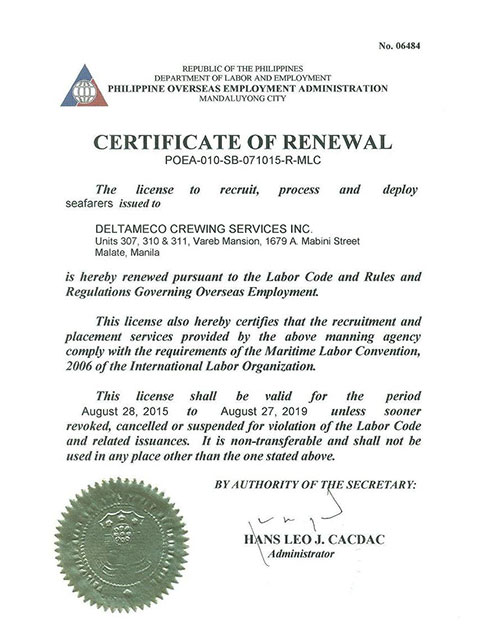
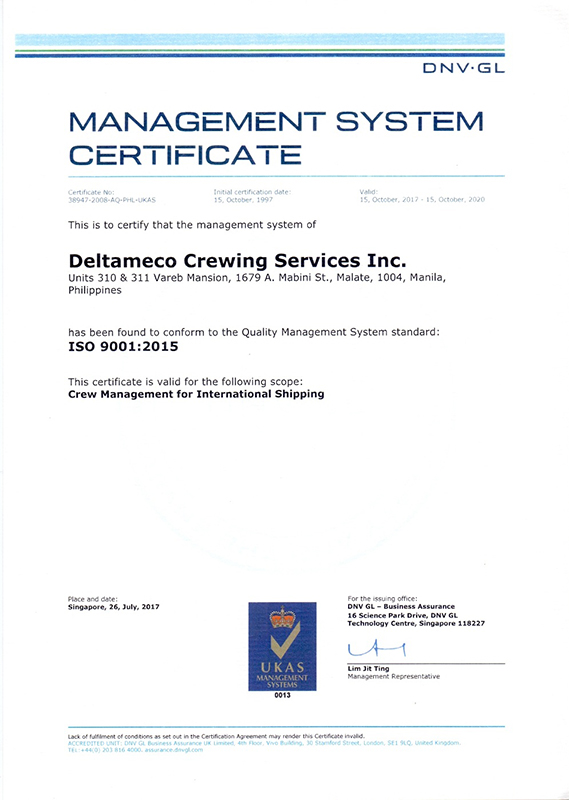
A manning agency recruits, checks and places seafarers on behalf of shipowners or ship managers. A Manila-based office typically handles:
- Recruitment and screening. Interviews, reference checks and checks of certificates.
- Training and course verification. Making sure each candidate has completed the courses required for the vessel type they will join. This site’s page on crew training and development describes how an agency can support this.
- Documents. Passports, seaman’s books, visas, medical certificates and flag-state endorsements.
- Contracts and travel. Preparing employment contracts and arranging flights for joining and leaving the ship.
- Aftercare. Staying in contact with crew and families during the contract.
The restored page on the crew management side of the business and the profile of the Philippines team give a sense of how such an office is organised.
The rules behind the certificates
The international framework for training and certification is the STCW Convention, adopted on 7 July 1978 and in force from 28 April 1984. It sets minimum standards for training, certification and watchkeeping. The 1995 amendments added the STCW Code, and the 2010 Manila Amendments strengthened measures against certificate fraud and addressed medical standards, hours of work and rest, and training areas such as electronic chart systems and security.
These standards apply whichever country a seafarer comes from. Each government that is a party to the convention is responsible for the training and certification system in its own country. For a plain-language overview of the convention, see our STCW explainer.
Laws that affect Filipino seafarers
The Philippines has national legislation directed at seafarers’ welfare and employment.
- Republic Act 10706. Known as the Seafarers Protection Act, it protects seafarers against ambulance chasing and excessive fees on monetary claims arising from accidents, illness or death, and is the subject of an earlier article on this site: the Seafarers Protection Act explained. That article is based on archived material from 2015 and gives a summary only.
- Republic Act 12021. According to Wikipedia’s article on overseas Filipino workers, the Magna Carta of Filipino Seafarers was signed on 23 September 2024 and protects domestic and overseas Filipino seafarers. The provisions are not summarised here, since this author could not check the text. Readers who need the details should consult the official Philippine government sources.
Laws change, so check current texts with the Philippine authorities, such as the Department of Migrant Workers and the Maritime Industry Authority.
Economic weight
Seafaring is also a source of foreign income for families and the country. Wikipedia reports that Filipino seafarers sent home about US$6.14 billion in remittances in 2018. Figures differ by source and year, and this is one data point, not a current estimate.
Life and work at sea
The job is demanding. Contracts typically mean months away from home, shared accommodation and watch systems that run around the clock. International rules set minimum standards for rest hours, and the Manila Amendments tightened them. Welfare matters such as connectivity, shore leave and repatriation depend on the employer, the flag state and the ship’s collective agreements.
Readers considering a career can find a step-by-step overview in the article on how to become a seafarer.
Frequently asked questions
Why do shipping companies use crews from different countries?
Ships operate worldwide, and owners, flags and crews are often spread across countries. Companies recruit people with the right certificates and experience wherever they are available.
What is a manning agency?
A company that recruits and places seafarers on behalf of shipowners or managers, handling selection, documents, contracts and travel. Anyone unsure about fees or conditions should check with the national authority.
What is STCW?
The international convention that sets minimum standards of training, certification and watchkeeping for seafarers.
Where can a seafarer get legal advice about a claim?
From a qualified lawyer or the relevant government agency. This article does not give legal advice.
Summary
Filipino seafarers are part of a global labour market in which ships, owners and crews belong to different countries. Common international standards, national laws and manning agencies hold that system together. Check official sources for current rules.